 blog
How to Choose UPF Clothing for Women That Fits Your Style
Last Updated: November 13, 2026
Quick Summary
Choose UPF clothing by checking for a certified UPF rating on the label, ideally UPF 50, which blocks roughly 98% of UV rays. Then judge weave density, colour saturation, fit and fibre, since a stretched, pale, thin garment can underperform a dense, dark one. Match the piece to your day and follow the care rules to keep protection intact.
- Hold fabric to a light source; visible pinpricks of light mean UV gets through.
- Darker, saturated colours absorb more UV than pale ones in the same weave.
- A garment stretched tight across the shoulders lets more UV through.
- Cold hand wash or gentle cycle, and skip bleach, spin dry, dry cleaning and ironing.
- Rotate your sun-protective pieces so each one is washed less often.
Table of Contents
- Why UPF Clothing for Women Beats Sunscreen Alone
- UPF 50 Clothing Meaning: What the Rating Actually Tells You
- How to Find the Best UPF Clothing for Women
- Lightweight Sun Protective Clothing for Women: Breathability in Real Heat
- UPF Clothing Brands: What Separates Quality from Marketing
- Washing and Layering UPF Clothing for Women
- Frequently Asked Questions
Why UPF Clothing for Women Beats Sunscreen Alone
Sunscreen is not a suit of armour. It wears off, rubs off, and leaves gaps no spray bottle can reach. That is why UPF clothing for women has moved from niche outdoor gear to a daily wardrobe staple.
Here is the core difference: sunscreen is a chemical or mineral film that absorbs or scatters UV radiation for a limited window. Fabric is a physical barrier that works the moment you put it on and keeps working as long as it covers your skin.
A common mistake is assuming any long-sleeve top counts as protection. It doesn't. A thin cotton shirt may block far less UV than people assume, which is exactly why the UPF rating exists.
Below, we break down what the rating means, how to choose pieces that fit your day, and how to keep them performing after dozens of washes.
UPF 50 Clothing Meaning: What the Rating Actually Tells You
UPF 50 clothing meaning comes down to one number: the fraction of UV radiation that reaches your skin. A UPF 50 rating means the fabric blocks roughly 98% of UV rays, allowing about 1/50th through. That is a meaningful barrier for extended sun exposure.
The rating is not the same as SPF. SPF measures how long sunscreen protects against UVB, the burning rays. UPF measures how much UVA and UVB the fabric itself blocks. UVA drives photo-aging and penetrates deeper, so broad-spectrum protection in a garment is worth more than many shoppers realise.
Three things affect the real-world rating:
- Weave tightness: tightly woven fabric leaves smaller gaps for UV radiation.
- Colour and fibre: darker, denser fabrics generally block more than pale, loose ones.
- Fit and stretch: a garment stretched tight over the shoulders can let more UV through than the same fabric worn loose.
This is where certification separates fact from marketing. Look for a label stating the UPF rating and, ideally, independent testing. ARPANSA's explanation of UPF ratings is a useful reference for how these figures are actually measured.
How to Find the Best UPF Clothing for Women
Finding the best UPF clothing for women starts with two filters: a verified label and a garment that matches how you spend your day. Here is the dermatologist-style checklist most commercial guides skip.
Check the Certified UPF Label
A certified label is your only reliable proof. Look for an explicit UPF rating on the tag, not just the words "sun protective" in the product name. When in doubt, ask the brand how the fabric was tested and whether the rating was independently verified.
The Four Criteria That Actually Predict Protection
1. Weave density. This is the single biggest factor. Hold the fabric up to a light source, if you can see pinpricks of light through it, UV is getting through too.
2. Color saturation. All else equal, darker, more saturated colors absorb more UV than pale ones.
3. Fit and stretch. A garment stretched tight over the shoulders lets more UV through than the same fabric worn loose, because stretching opens the weave. Look for a relaxed cut across the shoulders and back.
4. Fiber and construction. Denser, performance-oriented fibers generally block more than loose natural ones, and details like higher necklines, longer sleeves and thumbholes extend coverage where sunscreen is hardest to apply.
Watch out: a high UPF number on a loose, pale, thin garment can underperform a lower-rated dense, dark one, the number assumes the fabric is worn as designed, not stretched or worn thin.
Match the Garment to Your Day
Different days call for different coverage. A quick decision guide:
| Your Day | Best Garment Type | Why It Works |
|---|---|---|
| School run and errands | Long-sleeve top or light dress | Easy coverage that transitions to lunch |
| Beach or pool | UPF swimwear and cover-up | Quick-dry fabric with high UV defense |
| Travel and packing | Packable top or wrap | Rolls small, dries fast |
| Hiking or sport | Performance activewear | Moisture-wicking and breathable |
IdleBird designs its pieces to move from beach to poolside to park to bar, so one garment handles more of your day. That versatility is the practical answer to "will I actually wear this?"
Questions to Ask Before You Buy
- Is the UPF rating printed on the label and independently tested?
- Can you see light through the fabric when held up?
- Does the cut allow movement, or does it pull tight across the shoulders?
- Will it survive regular washing without losing protection, and does the brand state a wash-cycle figure?
Price alone is not a reliable guide to protection, so don't assume higher price equals better protection. Compare the label, the weave, and the fabric, not the logo.
Lightweight Sun Protective Clothing for Women: Breathability in Real Heat
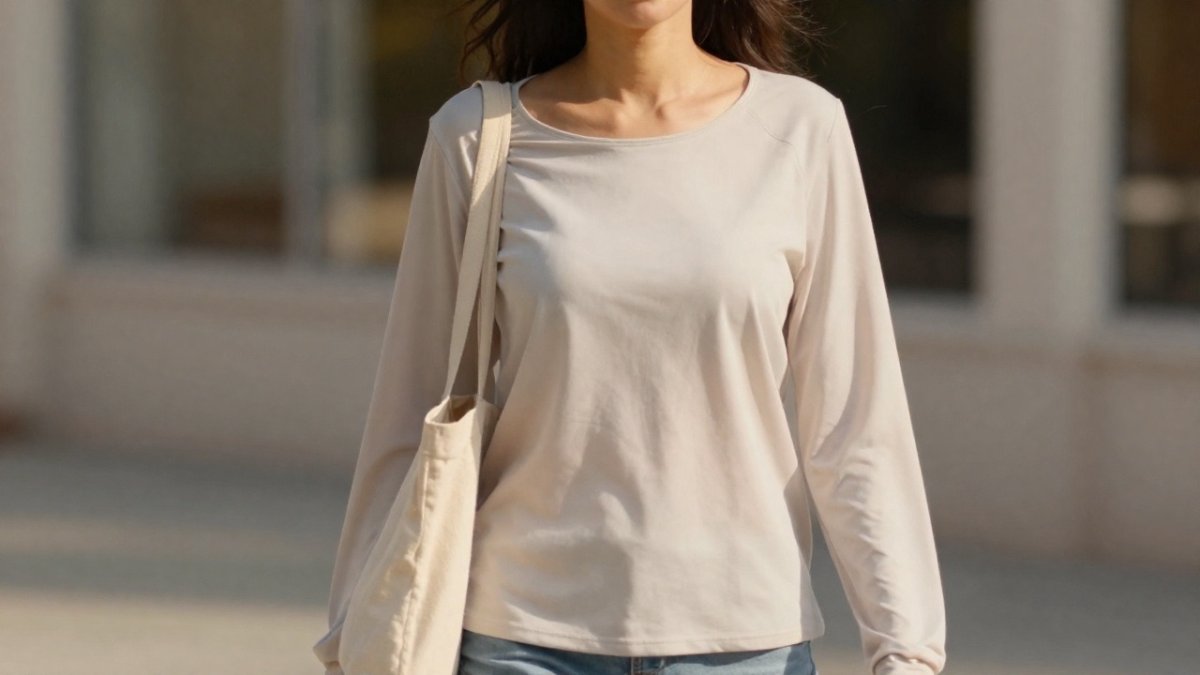
The biggest objection we hear is heat. Customers tell us they tried sun shirts before and felt like they were wearing plastic in 95-degree weather. That is a real problem with poorly made lightweight sun protective clothing for women, and it is fixable.
Breathability comes from fabric choice and construction, not from how thin a garment looks. Look for:
- Tightly woven but light materials that block UV without trapping heat
- Loose, airy cuts that allow airflow
The myth that sun-protective clothing is heavy is exactly that, a myth. At IdleBird, we use high-quality lightweight fabrics that feel luxurious against the skin yet handle an active outdoor lifestyle.
UPF Clothing Brands: What Separates Quality from Marketing
Quality UPF clothing brands share a few quiet signals: they state the UPF rating clearly and they design for real movement. Marketing-led brands lean on the words "sun protective" without a number, your cue to look closer.
Fit matters too. IdleBird's sun protective pieces are made for all shapes and sizes.
Washing and Layering UPF Clothing for Women
Care is where sun protection quietly fades. A garment that blocked UV beautifully on day one can lose effectiveness if washed and dried the wrong way. Keeping UPF clothing for women performing is simple once you understand what degrades the fabric.
Why UPF Fades: The Mechanism
UPF protection lives in the fabric structure, not in a coating you can top up. Two things wear it down:
- Weave loosening: repeated agitation and heat can relax fibers and open tiny gaps between threads, letting more UV through.
- Fiber breakdown: chlorine, bleach, and high-heat drying break down synthetic fibers and elastics, thinning the barrier over time.
The Care Checklist (and Why Each Rule Matters)
- Cold hand wash or gentle machine cycle, heat and agitation are the main causes of weave loosening.
- No soaking, prolonged water exposure can stress finishes and elastics.
- No bleach, bleach attacks fibers directly and can thin the barrier.
- No spin dry, high-speed spinning stretches and distorts the weave.
- No dry cleaning, solvent processes can strip performance finishes.
- No ironing, direct heat can melt or glaze synthetic performance fibers.
Watch out: a garment that still looks fine can still have lost protection, visual wear is a poor proxy for UV performance, so treat the care rules as protection rules, not cosmetic ones.
How Long Does UPF Last? The Wash-Testing Angle Most Guides Skip
Most buying guides stop at "wash gently" and never answer the question shoppers actually have: how many washes before protection drops? The honest answer depends on the fabric and construction, and the only reliable figure comes from the brand's own wash-testing.
Ask the brand how the fabric was tested and for how many wash cycles the rating is maintained.
A practical habit that extends lifespan: rotate your sun-protective pieces rather than wearing the same one every day. Fewer washes per garment means the weave and fibers stay intact longer.
Layering for Extreme Heat
Layering is the other tool, and it is where hot-climate advice usually goes wrong. In high humidity, the instinct is to wear as little as possible, but that leaves skin exposed. A better strategy is coverage with airflow:
- Favor light colors in loose weaves for airflow and darker, denser weaves where coverage matters most, color and weave trade off against each other, so match the piece to the conditions.
- Keep the fit relaxed across the shoulders; a garment stretched tight lets more UV through than the same fabric worn loose.
The goal is coverage with airflow, not bulk. A hat and sunglasses still matter, and sunscreen on exposed skin remains necessary, but a well-chosen garment covers the areas sunscreen misses, the back of the neck, the tops of the ears, the shoulders, without the reapplication clock.
The gap between a sun-safe wardrobe and a drawer full of unworn "practical" tops comes down to one thing: choosing pieces you actually want to wear. IdleBird builds UPF50+ dresses, tops and swimwear in lightweight fabrics designed to move from the beach to dinner without a costume change. Explore the collection to find coverage that fits your style, your shape and your summer.
Frequently Asked Questions
Does UPF clothing actually work?
Yes. UPF clothing blocks ultraviolet radiation from reaching your skin, and the rating is measured on fabric itself rather than on skin. A UPF 50 garment blocks about 98% of UV rays, . The key is buying certified fabric with a real UPF label, not a light cotton wrap. Tightly woven, stretch-woven fabrics with a tested rating give you dependable sun-safe coverage for daily outdoor time.
What does UPF 50 clothing meaning actually mean?
UPF stands for ultraviolet protection factor, and UPF 50 means the fabric lets through just 1/50th of UV radiation, so roughly 2% gets through. That is the highest rating clothing is typically given. It is not the same as SPF, which measures sunscreen on skin. A UPF 50 rating only holds if the garment is certified and cared for properly, so check the label and follow the wash instructions.
Is lightweight clothing still effective for sun protection?
It can be, but only when the fabric is engineered for it. Plain light cotton lets through more UV than most people expect. Look for tightly woven, stretch-woven or certified UPF 50 fabrics that are lightweight and breathable. IdleBird's sun protective pieces are made for all shapes and sizes, and are built from lightweight fabrics.
How do I keep UPF 50+ protection after washing?
Care matters. Wash UPF 50+ garments by cold hand wash or gentle machine wash, and do not soak, bleach, spin dry, dry clean or iron them. Harsh treatment breaks down the fabric structure that blocks UV. Follow those steps and the protection holds up over many cycles. At IdleBird, we design our fabrics to handle an active outdoor lifestyle.
